How to Stop Condensation on Windows: Causes, Prevention & Solutions
Few things are more frustrating on a chilly British morning than waking up to pools of water pooling on your window sills. Beyond being a nuisance that dampens window frames and ruins paintwork, persistent moisture breeds black mold, damages plaster, and can negatively impact indoor air quality.
Whether you are a homeowner seeking a clearer view, a landlord protecting your property from tenant-related dampness, or a builder advising a client on home improvements, understanding why moisture forms is the first step toward fixing it. In this guide, we break down the root causes of condensation on windows, practical daily prevention steps, and how upgrading to high-performance glazing provides a permanent fix.
Understanding the Culprit: What Causes Condensation on Windows?
Condensation occurs when warm, moisture-laden air comes into contact with a cold surface. Because windows are typically the coldest barrier between the inside of a home and the outdoor British weather, moisture in the air instantly loses thermal energy, turns back into liquid water, and clings to the glass or frame.
However, not all moisture is created equal. To solve the problem, you first need to identify where the condensation is forming:
1. Internal Condensation (Inside the Room): The most common issue. It happens when high indoor humidity (from cooking, showering, drying clothes indoors, or breathing) hits cold glass.
2. External Condensation (Outside the Glass): A sign of high-performing thermal insulation. It means your exterior pane is staying cold because heat is successfully being kept trapped inside your home. It usually clears up naturally by midday.
3. Condensation Between the Panes (Inside the Sealed Unit): The most problematic scenario. If moisture appears inside a double-glazed unit, it indicates that the hermetic seal has failed, allowing moisture-laden air to leak between the glass panes.
Interior Condensation: Practical Daily Solutions
If you are battling indoor water droplets, managing household humidity and boosting air circulation are your primary lines of defense.
- Increase Ventilation: Open trickle vents on your modern window frames to allow a continuous, controlled exchange of air without leaving windows wide open to winter drafts.
- Use Extractor Fans: Always run extractor fans in the kitchen when boiling water and in the bathroom during and after showers. Keep internal doors closed during these activities to stop moisture from spreading across the house.
- Avoid Drying Clothes Indoors: If possible, use a tumble dryer vented outdoors or dry clothes outside. If you must dry clothes indoors, keep the room well-ventilated and closed off from the rest of the house.
- Maintain Steady Background Heating: Letting your home swing wildly between freezing cold and blazing hot worsens condensation. Consistent, lower-level background heating keeps internal wall and window frame temperatures higher.
Comparing Types of Window Condensation & What They Mean
| Condensation Type |
Location |
Primary Cause |
Is It a Problem? |
Recommended Action |
- |
- |
- |
- |
- |
| Internal |
Room-facing glass or frame |
High indoor humidity + cold glass surface |
Yes (risks mould growth and timber rot) |
Improve ventilation, lower indoor humidity, upgrade insulation. |
| External |
Outdoor-facing glass |
Highly thermally efficient glass keeping exterior pane cold |
No (proof that your windows are working efficiently) |
None required; it disappears naturally as the sun warms the air. |
| Inter-pane |
Sealed unit cavity |
Failed perimeter seal / broken double-glazing unit |
Yes (loss of thermal performance) |
Replace the insulated glass unit (IGU) or upgrade the window. |
The Structural Fix: Upgrading Old or Failing Windows
If you practice good ventilation and lifestyle adjustments but your windows still stream with water every morning, the windows themselves may be the root of the problem.
Older single-glazed windows and even aging, first-generation double glazing installed decades ago have poor thermal efficiency. They lack modern multi-chambered frame profiles and Low-E (low-emissivity) glass coatings. This causes severe cold-bridging, where the inner frame and glass drop to outdoor temperatures.
How Modern Framing Technology Helps
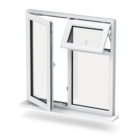
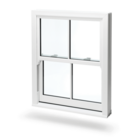
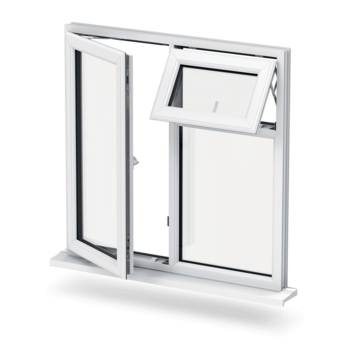
- PVCu Multi-Chambered Profiles: Modern Standard PVCu Windows and uPVC Sash Windows feature engineered internal chambers that block thermal transfer, keeping the interior frame significantly warmer to the touch and drastically reducing moisture build-up.
- Slimline Aluminium Thermal Breaks: If you prefer contemporary sightlines, modern Aluminium Windows utilize polyamide thermal breaks that separate the internal and external metal structures, eliminating cold bridging and stopping internal frame sweating.
- Advanced Glazing Options: Pairing frames with high-performance 28mm double or triple glazing units keeps the interior pane warm, preventing condensation from finding a cold anchor point.
Upgrade Your Home’s Thermal Performance Today
If outdated, draughty, or failing windows are contributing to chronic condensation and moisture damage in your property, a targeted upgrade can transform your indoor environment.
Explore our extensive range of high-efficiency Standard PVCu Windows, elegant uPVC Sash Windows, and sleek Aluminium Windows, engineered to deliver superior thermal performance and weather resistance across the UK.
- Explore Options: Browse our collection of PVCu Windows and tailored glazing configurations.
- Get in Touch: Need expert advice on sizing, glass specifications, or trade requirements? Contact the Trade Windows Online team today for guidance on your next project.
Frequently Asked Questions (FAQs)
1. Does double glazing completely stop condensation on windows?
Double glazing dramatically reduces internal window condensation by keeping the interior pane warmer than single glazing. However, if indoor humidity levels are exceptionally high and ventilation is absent, even double-glazed windows can experience condensation.
2. Why do I have condensation between my double-glazed panes?
Condensation trapped between the glass panes means the perimeter seal of the sealed unit has broken down. Once this hermetic seal fails, moisture leaks inside, and the unit cannot be cleaned from within it requires a replacement glass unit.
3. Can window condensation cause health problems?
Yes. Persistent window condensation trickles down onto sills and frames, creating an ideal breeding ground for black mould (Stachybotrys chartarum). Mould spores release allergens that can trigger asthma and respiratory issues, making prompt control essential.
4. Are trickle vents effective at stopping condensation?
Yes. Trickle vents built into window frames provide background ventilation, allowing fresh outdoor air to trickle in and stale, humid air to escape without causing major heat loss or security risks.
5. Why is there condensation on the outside of my new windows?
External condensation is completely normal and actually indicates high energy efficiency. It occurs when outdoor humidity and dew points cause moisture to settle on cold exterior glass because your window is successfully keeping heat inside your home.
6. How can I stop condensation while drying clothes indoors?
If you must dry clothes indoors, do so in a small room with the door closed, a window cracked or trickle vent open, and an independent dehumidifier running to draw excess moisture directly out of the air.
7. Do uPVC or aluminium windows suffer less from condensation?
Both modern uPVC and thermally broken aluminium windows perform exceptionally well against condensation compared to old timber or uninsulated metal frames. Their internal thermal barriers prevent deep cold-bridging across the frame structure.
Want to know more about our Standard PVCu Windows
Take a closer look at our options. Affordable windows in a class of their own
Standard PVCu Windows