Window Energy Ratings Explained: What UK Homeowners Need to Know
Understanding how your home retains heat is more critical than ever. With energy prices fluctuating and stringent UK Building Regulations demanding higher efficiency standards, choosing the right glazing is a major investment. Yet, when browsing for replacement windows, many property owners, builders, and renovators find themselves overwhelmed by technical terminology.
Labels featuring rainbow-coloured energy bands, unfamiliar acronyms like BFRC, and complex thermal measurements can make comparison difficult.
This guide breaks down everything you need to know about a window energy rating, how the rating system works, and how to select energy rated windows that lower heating bills and improve household comfort across the UK.
What is a Window Energy Rating (WER)?
A window energy rating is a standardized system used to measure the overall energy efficiency of a complete window unit, including the glass, frames, and spacers.
Regulated primarily by the British Fenestration Rating Council (BFRC), the system uses a familiar traffic-light grading scale ranging from A++ down to G.
Unlike a simple material check, a window energy rating looks at the entire window as a functional system. It calculates three distinct performance factors:
1. Thermal Insulation (U-value): How effectively the window prevents heat from escaping your living spaces.
2. Solar Heat Gain (G-value): How much free heat from the sun is allowed to pass through the glass to warm your home.
3. Air Leakage (L-factor): How much air drafts through the seals around the opening vents.
By combining these factors into a single grade, homeowners and tradespeople can quickly compare how a specific window will impact their home’s thermal performance.
How Do Window Energy Ratings Work?
BFRC window energy ratings use a colour-coded scale ranging from A++ to E.
The scale makes it easier to compare window energy performance without interpreting several technical measurements independently.
| Rating |
General meaning |
-———- |
-————————————- |
| A++ |
Highest rating band |
| A+ |
Very high energy performance |
| A |
High energy performance |
| B |
Lower band than A |
| C |
Lower band than B |
| D |
Lower band than C |
| E |
Lowest rating band |
The rating bands provide a straightforward comparison between products assessed under the scheme.
However, a window’s letter rating should not be interpreted as a guaranteed reduction in heating bills. Actual savings depend on the existing windows, property characteristics, heating system, installation quality and how the home is used.
Window Energy Rating vs U-Value: What Is the Difference?
Window energy ratings and U-values are closely related, but they measure different aspects of performance.
A U-value measures how readily heat passes through a building component, whereas a window energy rating considers a broader energy balance.
What Is a Window U-Value?
A window U-value measures thermal transmittance.
It is expressed in watts per square metre per kelvin (W/m²K).
The measurement indicates how much heat passes through a square metre of the window for each degree of temperature difference between the inside and outside.
A lower U-value generally means less heat passes through the window, indicating better insulation against heat loss.
When comparing window U-values, make sure you are comparing equivalent measurements.
For example:
- Ug refers to the centre-pane glass U-value.
- Uf refers to the frame U-value.
- Uw refers to the whole-window U-value.
The whole-window Uw value is particularly useful when comparing complete window systems because it accounts for the frame and glazing together.
Why Is a Window Energy Rating Different?
A window energy rating considers more than heat loss alone.
A window may lose heat through its construction while also allowing useful solar warmth to enter the property.
The BFRC rating considers the balance between these factors, including air leakage.
This means two windows with similar U-values may achieve different energy ratings.
Likewise, an A-rated window does not automatically have the lowest U-value of every window available.
For a useful comparison, check both the window energy rating and the whole-window U-value where available.
Why Energy Rated Windows Matter for UK Properties
Installing high-performance windows delivers immediate and long-term benefits for homeowners, landlords, and property developers:
- Lower Heating Bills: By minimizing heat loss, modern energy-rated windows reduce the demand on your central heating system, cutting annual fuel bills.
- Enhanced Indoor Comfort: High-performance glazing eliminates cold drafts near window frames and reduces internal condensation, mitigating dampness and mold risks.
- Reduced Carbon Footprint: Lower energy consumption translates directly into lower domestic carbon emissions, aligning with UK net-zero targets.
- Improved Property Value: Prospective buyers and renters actively look for modern, energy-efficient upgrades, making high-rated windows a strong selling point.
Comparing Frame Materials and Glazing Options
Your choice of frame and glass configuration heavily influences your final energy ratings for windows.
| Feature |
Standard uPVC Windows |
Aluminium Windows |
Timber / Composite Options |
-——————————- |
-—————————————————————————————— |
-—————————————————————————————————— |
-———————————————————————————————— |
| Thermal Efficiency |
Excellent natural insulation; multi-chamber profiles trap heat. |
Modern thermally broken designs offer exceptional performance. |
Naturally insulating timber cores with high thermal mass. |
| Maintenance |
Minimal; wipe clean with soapy water. |
Low maintenance; highly weather-resistant powder coating. |
Regular staining or painting required to prevent weather damage. |
| Security |
High rigidity when reinforced with multi-point locking. |
Extremely strong structural integrity allowing slim sightlines. |
Robust natural strength, paired with modern locking hardware. |
| Typical Applications |
Ideal for residential retrofits, new builds, and landlords. |
Contemporary architectural projects, extensions, and commercial builds. |
Conservation areas, period properties, and traditional renovations. |
When exploring glazing choices, upgrading from standard double glazing to energy-efficient Low-E (low-emissivity) glass with argon gas fills between the panes dramatically boosts both U-values and overall WER scores.
Which Window Materials Are Most Energy Efficient?
Homeowners often compare uPVC, aluminium and sash windows when planning a replacement project.
The most suitable choice depends on the complete window specification rather than the frame material alone.
uPVC Windows
uPVC windows are a popular option for homeowners, landlords and property renovators looking for practical, low-maintenance window systems.
Their thermal performance depends on the frame construction and glazing specification.
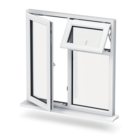
Explore Standard PVCu Windows to compare available window styles and configuration options.
Aluminium Windows
Aluminium windows are often selected for contemporary designs and slim frame aesthetics.
Their thermal performance depends on the system design, including features such as thermal breaks and the glazing specification.
Explore Aluminium Windows when considering modern window configurations.
Sash Windows
Sash windows are particularly relevant to period-style properties and renovation projects where appearance matters.
Modern sash window systems can incorporate glazing and frame designs intended to improve thermal performance compared with older windows.
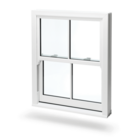
Explore Sash PVCu Windows to compare available styles.
Do Energy-Efficient Windows Reduce Heating Bills?
Energy-efficient replacement windows can help reduce heat loss, particularly when replacing older single-glazed or poorly performing windows.
However, the amount saved depends on several factors:
- The performance of the existing windows.
- The energy rating and U-value of the replacement windows.
- The number and size of windows being replaced.
- The property’s insulation and heating system.
- Installation quality.
- Energy prices and household heating behaviour.
Replacing windows alone will not eliminate heat loss from an inadequately insulated property.
For a realistic assessment, consider window performance alongside loft insulation, wall insulation, draught-proofing and heating controls.
Key Considerations When Choosing Replacement Windows
Before placing an order for your home improvement or building project, keep these practical factors in mind:
1. Check Compliance: Ensure your chosen windows meet or exceed current UK Building Regulations (Part L) for thermal performance.
2. Assess Orientation: South-facing rooms benefit from balancing U-values with solar heat gain, whereas north-facing rooms prioritize pure heat retention.
3. Verify Certification: Look for trusted certification marks, such as BFRC labels or Certass/FMB installer credentials, to guarantee compliance and quality.
4. Professional Installation: Even the highest-rated window will underperform if poorly installed. Ensure airtight seals and professional fitting to eliminate air leakage.
Conclusion & Next Steps
Investing in energy-rated windows is one of the most effective ways to make your home warmer, quieter, and more cost-effective to run. By understanding how the BFRC grading system and U-values work together, you can make confident decisions for your property upgrade.
Ready to explore high-performance options for your home or project? Browse our extensive collections online:
- Discover durable and thermally efficient Standard PVCu Windows and classic Sash PVCu Windows.
- Explore sleek, modern Aluminium Windows designed for contemporary living spaces.
- Secure your property with our robust range of Composite Doors and French Doors.
Configure your ideal specifications or contact our expert Trade Windows Online team today to discuss your requirements and request a quotation.
Ready to choose your replacement windows?
Explore our range of Standard PVCu Windows, compare available Sash PVCu Windows, or contact the Trade Windows Online team on 020 8504 6766 for further information.
Frequently Asked Questions
What is the highest window energy rating available?
The highest official rating on the BFRC scale is A++, indicating superior thermal retention and optimal solar heat gain balance.
Are A-rated windows legally required in the UK?
UK Building Regulations set minimum performance thresholds (typically Band C or equivalent U-values), but many homeowners and builders choose A-rated or A++ windows to future-proof their properties and maximize energy savings.
How do U-values affect window energy ratings?
U-values measure heat loss rate. A lower U-value contributes to a higher (better) overall window energy rating by reducing thermal transmittance through the glass and frame.
Do double-glazed windows automatically get an A rating?
No. Not all double glazing is equal. The rating depends on the glass coatings (like Low-E glass), cavity gas fills (such as argon), frame materials, and internal chamber design.
Can triple glazing achieve higher energy ratings than double glazing?
Yes. Triple-glazed windows generally provide lower U-values and superior thermal insulation, making them ideal for Passivhaus standards or exposed coastal locations in the UK.
How can I check the energy rating of my existing windows?
If your windows were installed within the last decade or two, look for a permanent BFRC silver label etched into the spacer bar between the glass panes or check your original FENSA installation certificate.
Want to know more about our Aluminium Windows
Take a closer look at our options. Superb quality aluminium windows available at low prices
Aluminium Windows