Bifold Doors vs Sliding Patio Doors: Which Should You Choose?
Choosing the right patio doors can completely transform your home, making your living space brighter, more spacious and better connected to the outdoors. Whether you’re planning a kitchen extension, renovating your living room or upgrading your garden entrance, investing in the right door style can enhance both the appearance and functionality of your property. At Trade Windows Online, you can explore a range of modern door solutions designed to complement different homes and requirements.
One of the most common questions homeowners face is whether to choose bifold doors or sliding patio doors. Both options offer stylish designs, large glazed panels and convenient access to outdoor spaces, but their opening mechanisms, space requirements and overall benefits are quite different. If you’re considering bifold doors, our recent guide on bifold door sizes and choosing the right configuration is also worth exploring.
When comparing bifold vs sliding doors, it’s important to consider more than just appearance. Think about how much of the doorway you want to open, how much natural light you prefer, the available space and which design best suits your lifestyle and budget.
In this guide, we’ll compare both door styles in detail, explore their advantages and disadvantages, and help you decide which patio door option is the right choice for your home.
What Are Bifold Doors?
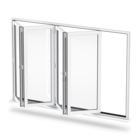
Bifold doors are made up of multiple panels connected by hinges that fold together and slide along a track when opened. Instead of moving behind one another, the panels fold neatly to one or both sides of the doorway, creating a wide opening between your home and outdoor space.
They are particularly popular in modern UK homes, kitchen extensions and properties with large garden-facing openings.
One of their biggest advantages is the ability to open almost the entire doorway, depending on the configuration. This makes them an excellent option for homeowners who enjoy entertaining guests or want to create a seamless indoor-outdoor living environment.
Key Features of Bifold Doors
- Multiple glazed panels connected with hinges.
- Panels fold and stack neatly to one side.
- Wide opening for easy garden access.
- Available in different colours, materials and configurations.
- Can include a separate traffic door for everyday access.
- Suitable for contemporary homes and extensions.
If you are considering this style, explore the range of bifold doors available at Trade Windows Online to discover different panel configurations and designs.
What Are Sliding Patio Doors?
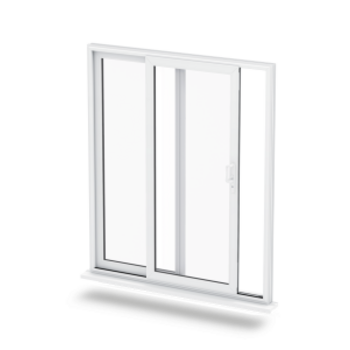
Sliding patio doors feature two or more large glazed panels that move horizontally along a track. Typically, one panel remains fixed while another slides behind or alongside it.
Unlike bifold systems, sliding doors do not fold outwards or inwards. Their panels remain within the frame, making them particularly useful where indoor or outdoor space is limited.
Another major advantage is their ability to accommodate large glass panels. This creates a contemporary appearance while allowing plenty of natural daylight into your living space.
Sliding patio doors are particularly suitable for homeowners who want attractive garden views without requiring additional space for folding panels.
Key Features of Sliding Patio Doors
- Large glass panels for improved natural light.
- Smooth horizontal sliding operation.
- No additional folding or swinging space required.
- Modern appearance with slim frame options.
- Available in uPVC and aluminium designs.
- Suitable for living rooms, kitchens and extensions.
You can explore patio doors at Trade Windows Online to compare available options for your property.
Bifold Doors vs Sliding Doors: Understanding the Main Differences
Although both systems provide access to outdoor areas, their opening mechanisms, appearance and practical benefits are quite different.
Understanding these differences will help you make a more informed purchasing decision.
| Feature |
Bifold Doors |
Sliding Patio Doors |
- |
- |
- |
| Opening mechanism |
Panels fold and stack together |
Panels slide horizontally |
| Opening space |
Opens most of the doorway |
Usually opens around half to two-thirds, depending on configuration |
| Natural light |
Good natural light |
Excellent with larger glazed panels |
| Frame appearance |
More visible vertical frames |
Often slimmer sightlines |
| Space requirements |
Requires room for stacked panels |
Panels remain within the frame |
| Accessibility |
Can offer a wide clear opening |
Opening depends on the sliding configuration |
| Maintenance |
Hinges, rollers and tracks require attention |
Tracks and rollers require attention |
| Design |
Contemporary and flexible |
Minimalist and modern |
| Best suited for |
Wide openings and entertaining |
Uninterrupted views and space-saving access |
The main difference is how the doors operate. Bifolds prioritise opening up the available space, whereas sliding systems prioritise large glass panels and a clean appearance.
This is the central consideration when researching bifold doors vs sliding doors for your home.
Opening Space and Accessibility
One of the biggest differences between these two door systems is how much of the doorway becomes accessible when the doors are fully open.
Bifold Doors: Maximum Opening Potential
Bifold doors are designed to fold away from the opening, allowing most of the doorway to become accessible.
This makes them particularly useful for:
- Kitchen extensions opening onto gardens.
- Large living rooms with patio access.
- Outdoor dining and entertaining areas.
- Properties where a wider entrance is preferred.
For example, when hosting a summer gathering, you can fold the panels back to create a more open connection between your kitchen and garden.
Sliding Doors: Practical Everyday Access
Sliding patio doors offer a different type of convenience. Instead of folding away, the panels move horizontally along their tracks.
A standard two-panel sliding system generally provides access through approximately half of the overall opening. Some multi-panel configurations can offer a larger clear opening.
They are useful when you want to access your garden without moving multiple panels.
Which Is Better?
If creating the widest possible opening is your priority, bifolds are generally the better choice. However, if you prefer convenient everyday access without folding panels, sliding doors may be more suitable.
Natural Light and Outdoor Views
Natural light can make a room feel brighter, larger and more welcoming. Both door styles offer excellent glazing opportunities, but their frame designs affect how much uninterrupted glass you see.
Bifold Doors
Bifold doors feature several connected panels, meaning there are more vertical frame sections across the opening.
Although they allow plenty of natural light, the additional frames can interrupt the view when the doors are closed.
Sliding Patio Doors
Sliding systems often feature fewer and wider glass panels. This allows for larger uninterrupted glazed areas and slimmer sightlines, depending on the chosen product.
They are particularly attractive for properties overlooking gardens, landscaped outdoor areas or attractive countryside views.
Which Is Better?
Sliding patio doors are often the preferred option for homeowners who prioritise uninterrupted views and a minimalist appearance.
When considering sliding doors vs bifold, think about how you want your living space to look throughout the year, particularly when the doors are closed.
Space Requirements: Which Door Style Saves More Space?
Available space should be an important consideration before choosing a patio door system.
Bifold Doors
Bifold doors need sufficient room for their panels to fold and stack when opened.
Depending on whether they open inwards or outwards, the folded panels may affect furniture arrangements, seating areas or outdoor walkways.
You should consider:
- The position of nearby furniture.
- Available wall space.
- Outdoor seating and garden furniture.
- The direction in which the doors will open.
Sliding Patio Doors
Sliding doors are particularly practical when space is limited because their panels move along the existing track.
They do not require additional clearance inside the room or outside the property.
This makes them suitable for smaller patios, compact gardens and rooms where furniture sits close to the doorway.
Which Is Better?
Sliding doors generally offer better space efficiency because their panels remain within the door frame. However, bifolds can still be a practical option if you have enough room for the panels to stack.
Energy Efficiency and Insulation
Energy efficiency is another important factor when comparing patio doors.
Large glazed openings can affect heat retention, particularly during colder UK months. Therefore, choosing a well-designed door system with appropriate glazing and insulated frames is essential.
Bifold Doors
Modern bifold doors can offer excellent thermal performance when manufactured with suitable insulated profiles and high-performance double or triple glazing.
Features worth considering include:
- Thermally efficient frame profiles.
- Double or triple glazing options.
- Low-emissivity glass.
- Argon-filled glazing units.
- Effective weather seals.
Sliding Patio Doors
Sliding patio doors can also provide excellent insulation. Many modern systems feature thermally broken aluminium or multi-chambered uPVC profiles.
Their larger glass panels and fewer frame junctions can also help reduce the proportion of visible framing across the opening.
However, overall energy performance depends on the complete door system rather than the opening style alone.
Which Is Better?
Neither option is automatically more energy efficient. The glazing specification, frame construction, weather seals and installation quality all influence thermal performance.
When comparing bifold doors vs sliding, always request the whole-door U-value rather than relying only on the advertised glass specification.
Security and Safety Features
Security should never be overlooked when installing external patio doors.
Both bifold and sliding systems can offer reliable protection when manufactured with suitable locking mechanisms, reinforced frames and appropriate glazing.
Security Features in Bifold Doors
Look for:
- Multi-point locking systems.
- Strong hinges and locking hardware.
- Reinforced door profiles.
- Secure glazing beads.
- Suitable safety and security glass.
Security Features in Sliding Patio Doors
Important features include:
- Multi-point locking mechanisms.
- Anti-lift protection.
- Secure sliding tracks.
- Reinforced frames.
- Toughened or laminated safety glazing where appropriate.
For either system, check the manufacturer’s security certification and whether the specific configuration has been tested to relevant standards, such as PAS 24 where applicable.
Which Is Better?
Both can provide excellent security. The quality of the complete door system, hardware, glazing and installation matters more than whether the door folds or slides.
Maintenance and Durability
Before making your decision, consider how much maintenance each door system will require over time.
Maintaining Bifold Doors
Bifold doors have multiple hinges, rollers and moving components. Regular maintenance helps keep the panels aligned and operating smoothly.
Basic maintenance includes:
- Cleaning the tracks to remove dirt and debris.
- Checking hinges and rollers.
- Cleaning the frames and glass.
- Inspecting seals for wear.
- Checking that the locking mechanisms operate correctly.
For additional maintenance advice, read our guide on how to clean aluminium windows and frames.
Maintaining Sliding Patio Doors
Sliding doors have fewer interconnected moving panels, but their tracks and rollers still require attention.
You should:
- Keep the sliding tracks clean.
- Remove dirt and debris regularly.
- Check the rollers for smooth movement.
- Inspect weather seals.
- Test the locking mechanism periodically.
Which Is Better?
Sliding doors may have a simpler operating mechanism, but both systems require routine cleaning and occasional hardware checks.
The durability of either option depends on material quality, manufacturing standards and regular maintenance.
What Should You Compare Before Buying?
| Cost Factor |
Bifold Doors |
Sliding Doors |
- |
- |
- |
| Frame material |
Affects overall price |
Affects overall price |
| Number of panels |
More panels can increase cost |
More panels can increase cost |
| Glazing |
Double or triple glazing |
Double or triple glazing |
| Hardware |
Hinges, rollers and locking systems |
Tracks, rollers and locking systems |
| Installation |
Depends on opening and configuration |
Depends on opening and configuration |
| Customisation |
Colours, finishes and configurations |
Colours, finishes and configurations |
Rather than choosing the cheapest option, compare the complete specification and long-term value.
Design, Materials and Style Options
Your patio doors should complement the architectural style of your property.
Fortunately, both systems are available in different materials and finishes.
Aluminium Bifold and Sliding Doors
Aluminium is popular for contemporary homes because it offers strength, durability and the potential for slim frame profiles.
It is particularly suitable for larger glazed openings where structural performance and modern styling are important.
For a closer look at the differences between materials, explore our guide to aluminium doors vs uPVC doors.
uPVC Bifold and Sliding Doors
uPVC is a practical option for homeowners looking for relatively low-maintenance doors and good value.
Modern uPVC systems can feature reinforced profiles, effective weather seals and energy-efficient glazing.
Popular Colour Choices
Some popular finishes include:
- White for a clean and traditional appearance.
- Anthracite grey for contemporary properties.
- Black for a bold architectural finish.
- Woodgrain finishes for a warmer appearance.
The right combination of material, frame colour and glazing can help your new doors complement the rest of your home.
For further inspiration, take a look at our guide to modern black glass door designs.
Bifold Doors vs Sliding: Which Is Better for Different Properties?
The best option also depends on the layout and intended use of your property.
| Property Type or Requirement |
Recommended Option |
Reason |
- |
- |
- |
| Large kitchen extension |
Bifold doors |
Creates a wide opening to the garden |
| Small living room |
Sliding doors |
Does not require extra stacking space |
| Property with garden views |
Sliding doors |
Offers larger uninterrupted glazed areas |
| Outdoor entertaining space |
Bifold doors |
Provides a wider opening |
| Contemporary property |
Both |
Available in modern aluminium designs |
| Limited outdoor space |
Sliding doors |
Panels remain within the frame |
| Large patio opening |
Both |
Depends on desired opening and panel configuration |
This comparison makes it easier to understand why there is no single solution for every property.
When deciding between bifold doors vs sliding, consider how you will use the doorway on a typical day rather than choosing based on appearance alone.
So, Which Should You Choose: Bifold or Sliding Patio Doors?
The right decision ultimately depends on your priorities, available space and how you want your home to function.
Choose bifold doors if you want:
- A wide opening connecting your home and garden.
- More flexibility when entertaining guests.
- Panels that fold neatly to one side.
- A contemporary design with a strong indoor-outdoor connection.
Choose sliding patio doors if you want:
- Larger uninterrupted glass panels.
- Clearer views of your garden.
- A space-saving opening mechanism.
- A minimalist appearance with fewer visible frame sections.
There is no need to choose one style simply because it is more fashionable. Think about your property’s layout, daily routine, glazing requirements and long-term expectations.
If you are still researching sliding door vs bifold, compare the available configurations and specifications before making your final decision.
Explore Quality Patio Doors with Trade Windows Online
Whether you prefer the wide-opening flexibility of bifold doors or the sleek appearance of sliding patio doors, choosing the right product can make a noticeable difference to your home.
At Trade Windows Online, you can explore different door options designed to suit residential projects and trade requirements. From modern aluminium systems to practical uPVC designs, finding a suitable configuration starts with understanding your property’s needs.
Browse our bifold door range or explore our patio door collection to compare available options.
Ready to upgrade your home? Explore the range at Trade Windows Online and find the right patio door solution for your next project.
Frequently Asked Questions
1. Are bifold doors better than sliding patio doors?
Bifold doors are better if you want to open up most of your doorway and create a wide connection to your garden. Sliding patio doors are often better for uninterrupted views, larger glass panels and space-saving operation. The right choice depends on your property and requirements.
2. Which is cheaper, bifold or sliding doors?
The price depends on the material, dimensions, glazing, number of panels and hardware. Standard uPVC sliding doors can be more affordable than some bifold systems, but premium aluminium sliding doors can cost more. Always compare like-for-like specifications.
3. Do sliding patio doors take up less space than bifold doors?
Yes, sliding patio doors generally require less additional space because their panels move along a track within the frame. Bifold doors need enough room for the folded panels to stack when opened.
4. Are bifold doors more secure than sliding doors?
Neither style is automatically more secure. Both can offer excellent security with appropriate multi-point locking, reinforced frames, secure glazing and suitable hardware. Always check the security specification of the individual product.
5. Are sliding doors more energy efficient than bifold doors?
Not necessarily. Both systems can offer good thermal performance with suitable insulated frames, quality glazing and effective weather seals. Compare the whole-door U-values when selecting a system.
6. Are aluminium bifold doors better than uPVC sliding doors?
They serve different purposes. Aluminium bifold doors are popular for larger openings, strength and contemporary styling. uPVC sliding doors can offer practical operation, lower maintenance and good value. The better option depends on your budget and design requirements.
Want to know more about our Patio Doors
Take a closer look at our options. Appealing design and quality engineering
Patio Doors